Liverpool is one of the most rewarding cities in Britain to explore. Its waterfront, museums and architecture would be the envy of a capital city, many of its best attractions are free, and almost everything in the centre is within a 20-minute walk. This guide covers the essentials, grouped by theme, with insider tips on how to see the best of the city whether you are here for a day or a week.
The waterfront
The Royal Albert Dock
Opened in 1846, the Royal Albert Dock was the first structure in Britain built entirely from cast iron, brick and stone, with no structural wood, so that it could not burn. Today its colonnaded warehouses form the largest group of Grade I listed buildings in the country and house museums, restaurants, bars and shops. It is the natural starting point for any visit.
Merseyside Maritime Museum and the International Slavery Museum
Two free museums in the same building on the Albert Dock. The Maritime Museum tells the stories of the port, emigration, the Titanic and the Lusitania, while the International Slavery Museum confronts Liverpool’s role in the transatlantic slave trade and the ongoing fight for freedom and equality. Allow at least two hours for both.
The Beatles Story
A detailed, immersive exhibition at the Albert Dock tracing the band from their Liverpool beginnings to global fame, with recreations of the Cavern Club and Abbey Road studios. It is a paid attraction and a good introduction before you visit the other Beatles sites. See our Beatles sights guide.
Museum of Liverpool
At Mann Island, this striking modern museum tells the story of the city and its people, from the Overhead Railway to football, music and protest. Its windows frame wonderful views of the Three Graces. Entry is free.
The Three Graces and the Pier Head
The Royal Liver Building, the Cunard Building and the Port of Liverpool Building form one of the most famous skylines in the world. Look for the Liver Birds on top of the Royal Liver Building: legend says that if they ever fly away, the city will cease to exist.
Tate Liverpool
Tate’s northern gallery on the Albert Dock is undergoing a major redevelopment, with exhibitions continuing in temporary spaces nearby. Check what is on before you visit.
Mersey Ferry
A trip on the Ferry Cross the Mersey is a must, giving you the classic view of the waterfront skyline. River Explorer cruises run from the Pier Head with commentary on the city’s history, and you can hop off at Seacombe or Woodside on the Wirral side.
The city centre
St George’s Hall
One of the finest neoclassical buildings in the world, St George’s Hall opposite Lime Street station houses a great hall with a spectacular tiled floor (uncovered on special occasions), a beautiful concert room and the historic courts and cells beneath. Tours and events run through the year.
World Museum
On William Brown Street, World Museum has dinosaurs, an aquarium, a bug house, a planetarium and world-class collections of Egyptian and Ancient Greek objects. It is free and a hit with families.
The Walker Art Gallery
Next door to World Museum, the Walker has one of the finest collections of art in the North, from medieval masterpieces to Pre-Raphaelites and contemporary work.
Central Library
Behind its Victorian facade, Liverpool Central Library combines a modern atrium with the stunning circular Picton Reading Room and the Hornby Library. Look out for its rare books, including Audubon’s Birds of America.
St Luke’s, the Bombed Out Church
Gutted by fire during the Blitz in 1941, St Luke’s has been left roofless as a memorial and now hosts events, cinema screenings and markets in its atmospheric shell at the top of Bold Street.
The cathedrals
Liverpool Cathedral
Britain’s largest cathedral took most of the 20th century to build. Climb (or take the lift) to the top of the tower for one of the best views in the North, and look out for Tracey Emin’s neon artwork inside.
Liverpool Metropolitan Cathedral
At the other end of Hope Street, the Catholic cathedral is a bold circular building nicknamed “Paddy’s Wigwam”, crowned with a lantern of coloured glass that floods the interior with light.
Music and culture
Visit the Cavern Club on Mathew Street, where live music plays daily, then explore the Beatles’ childhood homes, Penny Lane and Strawberry Field. In the evening, catch a concert by the Royal Liverpool Philharmonic at the art deco Philharmonic Hall on Hope Street, or a gig at one of the city’s live music venues. Theatre lovers should see what is on at the Everyman, Playhouse, Empire and Royal Court; see our theatre and comedy guide.
Football
Take a tour of Anfield, home of Liverpool FC, or see Everton’s new stadium at Bramley-Moore Dock on the waterfront. See our guide to football in Liverpool.
Parks and green spaces
- Sefton Park: a grand Victorian park with lakes, a fairy glen and the glorious Palm House, a glasshouse full of exotic plants.
- Calderstones Park: home to the ancient Calder Stones, gardens and a reader-run mansion house.
- Otterspool Promenade: a riverside walk with big views across the Mersey to the Wirral.
- Croxteth Hall and Country Park: a historic house, working farm and parkland in the east of the city.
Historic houses
- Speke Hall: a Tudor timber-framed manor house run by the National Trust, near the airport.
- Sudley House: a Victorian merchant’s home with a free art collection, in Mossley Hill.
- Port Sunlight and the Lady Lever Art Gallery: across the river on the Wirral, a picturesque model village with a wonderful free gallery.
Shopping
Liverpool ONE is a vast open-air shopping district in the heart of the city, while Bold Street, the Ropewalks and the Baltic Triangle are the places for independent shops, vintage clothing and record stores. Lark Lane has quirky gift shops, and Cavern Walks and Metquarter add more choice.
Unusual things to do
- Explore the Williamson Tunnels, a labyrinth of tunnels built by an eccentric 19th-century businessman.
- Look for the Superlambananas, the yellow lamb-banana sculptures that have become a city symbol.
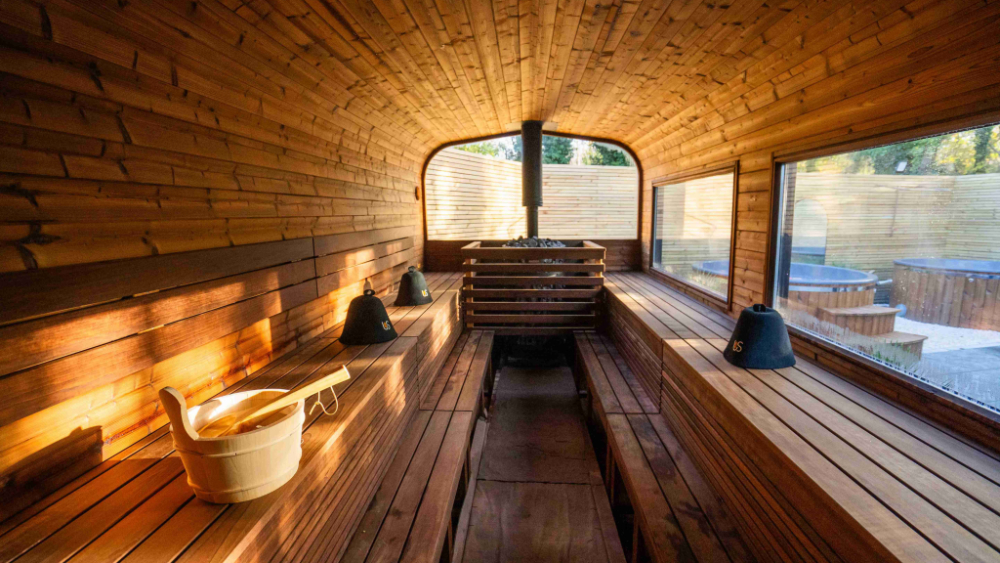
- Take a sauna by the water or at one of the city’s new outdoor sauna parks.
- Find the statue of Eleanor Rigby on Stanley Street.
- Catch a film or market in the Bombed Out Church.
Planning tips
- Most National Museums Liverpool venues are free and open daily; check opening times in winter.
- Wear comfortable shoes: the city is walkable but hilly between the waterfront and Hope Street.
- Book Beatles tours and stadium tours in advance at weekends and in summer.
- See our weekend in Liverpool itinerary for a ready-made plan.
FAQs
What is the number one attraction in Liverpool?
The Royal Albert Dock and waterfront, with its free museums, The Beatles Story and views of the Three Graces, is the city’s most visited area.
What can you do in Liverpool for free?
Visit the Museum of Liverpool, World Museum, the Walker Art Gallery and the Maritime Museum, explore both cathedrals and walk the waterfront. See our guide to free things to do in Liverpool.
Is one day enough in Liverpool?
One day covers the waterfront and the Cavern Quarter, but two or three days lets you add the cathedrals, the Beatles’ homes, a match or a gig and the nightlife.